What Is the Purpose of Community Access and Self Care for Individuals with a Disability?
For many of us, community participation comes naturally: we pop down to the local café, join a sports club, or attend community events without giving it much thought.
However, for people with a disability, accessing and participating in community life often requires careful planning, support, and consideration. Today, we will dive into the significance of community access and its profound impact on transforming lives. Ultimately, everyone deserves to experience a sense of inclusion.
Understanding Community Access
Community access isn't simply about being physically present in a community space - it's about meaningful participation, genuine connection, and having the opportunity to contribute to society in ways that matter to the individual. It's about creating pathways for people with a disability to engage with their community on their own terms and in ways that enhance their quality of life.
It's crucial to understand that community access isn't a privilege but a fundamental human right. The NDIS explicitly recognises the right of people with a disability to live independently and participate fully in all aspects of life. This includes having access to physical environments, transportation, information and communications, and other facilities and services open to the general public.
Community access and self-care are essential in promoting the well-being and independence of an individual with disability. Gaining access to the community allows them to participate in everyday activities, build social connections, and engage with essential services, which fosters a sense of belonging and inclusion.
Self-care, on the other hand, empowers individuals to manage their physical, emotional, and mental health, ensuring they have the skills to navigate daily challenges independently. Together, community access and self-care provide the tools needed to live fulfilling and empowered lives.
Let's explore some of the benefits:
Social Connection and Relationship Building
One of the most significant benefits of community access is the opportunity to develop meaningful social connections. When people with a disability participate in community activities, they have chances to:
Meet new people and form friendships outside their immediate support circle
Develop social skills in natural, real-world settings
Experience diverse social situations and learn to navigate different social contexts
Build lasting relationships based on shared interests rather than disability status
Skill Development and Personal Growth
For people living with a disability, community access plays a crucial role in fostering independence, personal growth, and skill development. Being able to actively participate in community life not only strengthens social connections but also empowers individuals to enhance their quality of life. With the right resources and guidance, individuals can work on areas such as independent living, managing daily living tasks, and engaging in vocational training.
Community access provides natural opportunities for learning and developing new skills. Whether it's:
Managing money while shopping
Navigating public transport
Developing interpersonal and communication skills
Making choices and decisions
Learning to advocate for oneself
These experiences contribute to personal growth and increased independence leading to a more empowered lifestyle.
Mental Health and Wellbeing
Community access encourages individuals to step beyond their immediate surroundings, interact with others, and experience new activities, all of which are essential for maintaining mental and emotional well-being. Regular community participation has been shown to have significant positive effects on mental health and emotional well-being, all of which have a sense of belonging.
This, in turn, helps:
Reduce feelings of isolation and loneliness
Boost self-esteem and confidence
Provide a sense of purpose and belonging
Create opportunities for joy and satisfaction
Reduce behaviours of concern that might stem from isolation or lack of engagement
By being a part of an inclusive community, individuals with a disability develop a stronger social connection, engage in meaningful relationships and foster a sense of belonging, purpose and empowerment which is essential for their mental and emotional wellbeing.
Physical Health Benefits
When individuals engage in community activities, they experience a wide range of physical health benefits that support both their immediate needs and long-term wellbeing.For individuals with a disability, access to inclusive community spaces ensures that they can participate in activities tailored to their abilities. Active community participation can be achieved through :
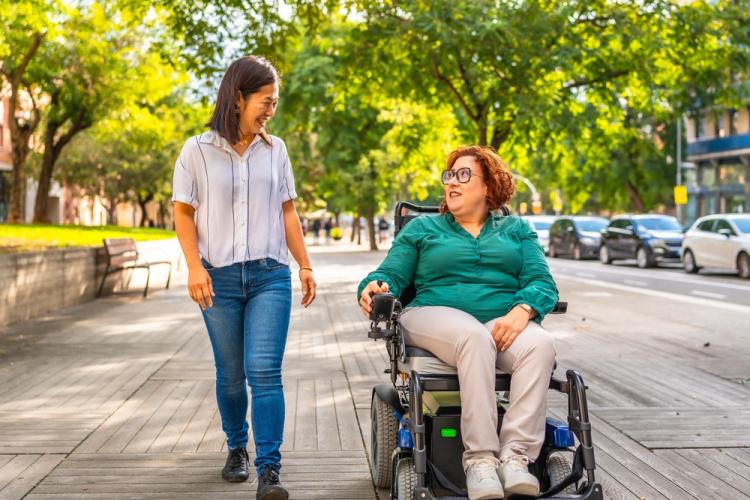
Walking or wheeling around community spaces
Participating in community sports or recreation activities
Accessing local parks and outdoor spaces
Engaging in shopping or other daily living activities
Successful community access and self-care start with understanding what matters to the individual and customising person-centred plans around their interests and designing activities around their goals to ensure they are rightly supported at all times. Community Access and Self-Care encourages and empowers you to live how you want to live, while working toward your goals.
Building Natural Supports
While paid support is often necessary, building natural support within the community is equally important. This can be achieved through:
Connecting with community groups and organisations
Creating opportunities for regular interaction with community members
Fostering independence where possible
Managing Sensory Needs
In community access spaces, effectively managing sensory input is crucial for ensuring that individuals with a disability, particularly those with sensory processing challenges, can engage comfortably and meaningfully in their environment. This can be done by:
Identifying quiet times for shopping or activities
Having access to sensory tools when needed
Planning regular breaks
Understanding and respecting individual sensory preferences
Supporting Communication
It is also important to build interpersonal and communication skills for an individual with a disability, as they not only enhance their ability to care for themselves but also promote social inclusion and equal access to community resources. By fostering these skills, individuals can experience a greater sense of control and connection in their lives. This can be achieved through:
Use of appropriate communication tools
Supporting different communication styles
Educating community members about different ways of communicating
Ensuring access to communication support when needed
The Role of Support Workers in Community Access
Community support workers offer comprehensive support to clients, encompassing social, physical, and emotional aspects. Our Community Access and Self-Care team can work with you in a number of different ways, depending on your specific needs. This includes:
Planning activities that align with individual goals and interests
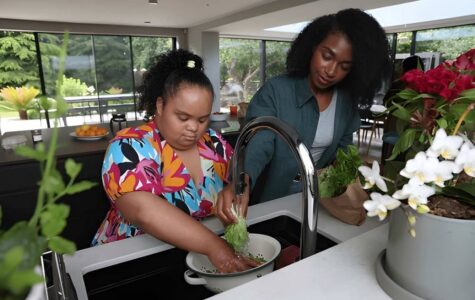
Supporting skill development and independence, including learning skills in your home like cleaning and cooking
Facilitating social connections
Community participation, like supporting you to attend appointments, support with grocery shopping, or access social activities of your choice
Capacity building, including travel training, parenting training and budgeting support
Providing In-home support when your usual support network is unavailable
Looking for community access and self-care support in Penrith, Ryde, or Windsor? When you choose Interaction, we’ll assign you a dedicated support worker who will assist you throughout every step of your journey. Our one-on-one support program can also be tailored specifically to meet the needs of people with any type of disability. This can include accessing the community, providing in-home support or training for life skills with a focus on your health and wellbeing.
Making Community Access Meaningful
Success in community access takes many forms. For some, success means growing independence in accessing community spaces and confidently navigating their local area with decreasing support. Others might measure success through the development of new relationships and social connections, building a network of friends and acquaintances in their community.
When it comes to Community Access and Self-Care, the focus should not be on the quantity of community activities one participates in, but rather on the quality and meaningfulness of those experiences.
At Interaction, we chose activities that align with personal interest and passions, ensuring each experience provides opportunities for genuine engagement. What matters most is supporting real choice and control in how people with a disability spend their time in the community. By creating opportunities for meaningful contribution and value, we help foster a sense of purpose and belonging that goes far beyond mere participation.
Through our person-centered approach and tailor-made support plans, we help foster a sense of purpose and belonging that goes far beyond mere participation, which is evident in that wonderful moment when someone develops a genuine sense of belonging in their community, feeling truly at home in the spaces and places they choose to be.
How Interaction Can Support Your Community Access Journey
At Interaction, we understand that meaningful community access and self-care is crucial. Our experienced team specialises in supporting people with a disability to access and participate in their communities in ways that matter to them.
We offer:
Person-centred planning for community access
Skilled support workers who understand the importance of meaningful participation
Expertise in supporting people with complex needs in community settings
Strong community connections and partnerships
Flexible support options to meet individual needs and preferences
Our approach to supporting community access is based on understanding individual goals and preferences, building on strengths and interests, supporting genuine choice and control, promoting independence and skill development, creating opportunities for meaningful participation and ensuring safety while promoting autonomy.
Ready to explore how we can support you or someone you care about to access and participate in the community more fully? Contact us today to discuss your needs and goals.
Our friendly team can discuss your specific needs and interests, explain our approach to supporting community access, help you understand funding options and connect you with experienced support workers.