Behaviour Support in Sydney: What Behaviours of Concern Are and What Actually Helps
Every person communicates in their own way. Sometimes that communication can look like behaviour that worries the people around them. If you support someone who is showing behaviours of concern, it's natural to feel unsure about what's happening or the best way to help. The good news is that these behaviours almost always have a reason behind them.With the right support and the right education, real progress is possible.
At Interaction Disability Services, we provide behaviour support in NSW for participants and families, helping them understand what's driving these behaviours and build support that helps.
In this guide, we'll look at what behaviours of concern really are, what they're not, and what genuine, person-centred support looks like in practice.
What Are Behaviours of Concern?
Behaviours of concern are actions that can put a person or others at risk. They are actions that can reduce the quality of life for a person, or become a form of communication by a person for an unmet need.
These behaviours are an understood response to a person’s distress, pain or an environmental trigger. They are not an intentional misbehaviour, however.
Common Examples of Behaviours of Concern
Physical aggression: Hitting, biting, kicking, or throwing objects at people.
Verbal aggression: Shouting, threats, or name-calling.
Self-injury: Head-banging, scratching, or self-biting.
Property destruction: Damaging belongings or punching walls.
Withdrawal: Shutting down socially or refusing to join activities.
Why They Happen
Unmet physical needs: Pain, illness, hunger, or tiredness.
Communication barriers: Inability to express wants or feelings.
Sensory overload: Bright lights, loud noises, or crowded spaces.
Environment or routine changes: Feeling overwhelmed by unexpected shifts.
Why Behaviours of Concern Happen
Behaviours of concern are a type of communication to indicate an unmet need, rather than just ‘bad behaviour’. They are more complex than someone being unruly, and may happen for a variety of reasons.
Breakdown in Communication. The person is unable to tell you what they want, what they feel or what they need, in words. This frustration builds up until something happens.
Unmet Physical Needs. The person may be in pain, or they may be hungry or thirsty, or sometimes even extreme tiredness can cause distress and lashing out.
Environmental Triggers. Loud noises can trigger someone; too many people, bright lights or sudden changes to the environment can trigger such behaviours.
Emotional Distress. Too many emotions and not knowing how to handle them or understand them can push a person into behaviours of concern. Fear and anxiety can set them off, and even boredom can be a trigger.
Lack of Control. When someone feels their environment, or their daily life, is out of their hands and they have no say in what is going on, this can tip them into behaviours of concern.
If you experience someone displaying such behaviour, here is how you can respond.
Look for the Trigger
If you can, try and notice what happened right before the person started their behaviour. This will help prevent such behaviour in the future.
Check if They Are in Pain
Check for any signs that they are in pain. Try to rule out physical discomfort or illness.
Simplify Your Communication
Try to use pictures, or hand gestures to get your message across. Speak calmly and slowly, in shorter sentences to try and ease the tension.
Change the Environment
Try and move to a calm, quiet space that is not overwhelming to the senses. Dim the lights if you can.
Support Independence
Give the person a chance to communicate how they are feeling, in their own terms. Give them a chance to choose where they can feel safe.
What Behaviours of Concern Are Not
In the modern disability services space and Positive Behaviour Support (PBS), neurodivergent characteristics, such as stimming, particular sensory preferences or alternative communication practices, are not considered behaviours of concern. That is unless they cause physical harm to the person, or others, or if they severely restrict a person’s safety or their quality of life.
1. Stimming (Self-Stimulatory Behaviour)
What it is: Repetitive movements or sounds, like hand-flapping, rocking, pacing, spinning, or repeating words.
Why it matters: It is a vital tool for some people for emotional regulation, self-soothing during stress, or expressing excitement.
The rule: Non-harmful stimming should not be targeted for elimination or correction.
2. Sensory Seeking or Avoiding
What it is: Covering ears from loud noises, seeking deep pressure (like pushing into cushions), wearing specific clothing, or refusing bright environments.
Why it matters: It reflects a nervous system processing sensory input differently.
The rule: Adjusting the environment (e.g., lowering lights or offering noise-cancelling headphones) is the proper response, rather than treating the sensory reaction as "defiant behaviour".
3. Communication Differences
What it is: Using non-verbal cues, alternative and Augmentative Communication (AAC) devices, scripting phrases, or processing verbal instructions more slowly.
Why it matters: Communication can be expressed through physical pacing, withdrawal, or unique vocalisations when traditional spoken language is inaccessible.
The rule: These differences are valid expression styles that require communication partner training, not behavioural modification.
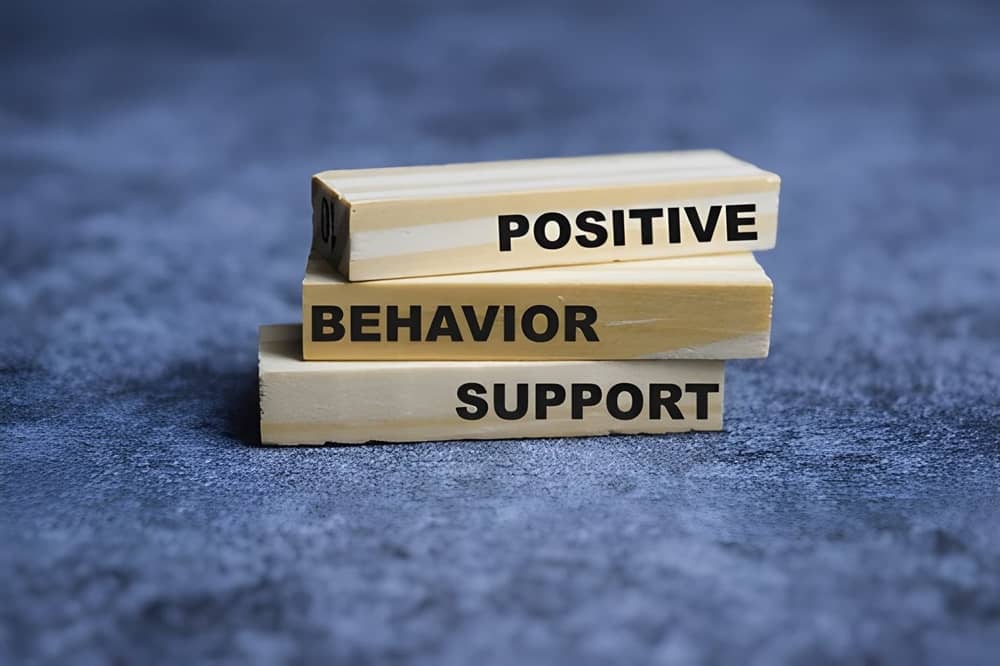
What Is Positive Behaviour Support?
Positive Behaviour Support (or PBS) is a person-centred approach that aims to improve someone's quality of life by understanding the root cause of a behaviour, rather than simply trying to stop it.
Instead of focusing on the behaviour itself, PBS asks what the person is trying to communicate through it. Are they in pain? Do they have an unmet need? Is something in their environment causing distress?
That understanding is then used to improve a person's physical and social surroundings, helping them feel calmer, safer and more supported. It's a two-way process: practitioners build communication and social skills alongside the participant, working toward less restrictive approaches over time and using them only as a last resort. This builds trust and rapport between the practitioner and the participant.
In practice, PBS follows three steps.
First, an assessment, where practitioners observe and talk with the person and their support network to understand why the behaviour is happening. From there, they develop a Behaviour Support Plan, which is a tailored document outlining proactive strategies and safe responses. Finally, the plan is put into action through training, with support workers and family members brought up to speed and the plan reviewed regularly as the person's needs change.
What Real Support Looks Like Day-to-Day And How Interaction Disability Services Delivers It
Real day-to-day disability support is practical, personal, and focused on helping individuals build independence rather than taking over their lives. Good support adapts to what a person needs each day, honouring personal routines and moving at a comfortable pace.
We're a not-for-profit, NDIS-registered organisation founded in 1979, supporting participants and families across Sydney and New South Wales. Our services are built around exactly this kind of everyday, person-led support:
Morning Routines and Personal Care
Carers assist with safe daily hygiene, grooming, and getting dressed with dignity, along with safe transfers (moving from a bed to a wheelchair or using mobility aids) and gentle reminders for medication management. This hands-on daily care sits alongside our Accommodation services, including supported independent living and specialist disability accommodation (SDA), where this kind of support happens as a matter of course.
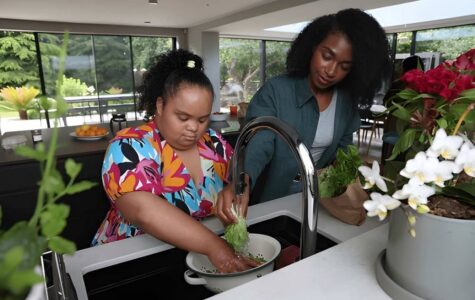
Household Tasks and Meals
Meal preparation, laundry, dishes, and keeping living spaces tidy and easy to move around in are part of the day-to-day picture too. Our Drop-in Support service extends this into flexible, unscheduled assistance such as helping with daily problem-solving and crisis intervention whenever it's needed, not just on a fixed roster.
Community and Social Life
Transport and encouragement to attend medical checkups or therapy sessions, social outings, hobbies and building trusting, respectful relationships all support emotional wellbeing. This is where our Community Access programs come in.
It facilitates social groups, activities and skills programs and is assisted by Support Coordination to help participants navigate their NDIS plans and connect with the right community services, and Clinical & Allied Health services (behaviour support, psychology, therapy) where more specialised support is needed.
Specialised and Family-Centred Support
Beyond core daily support, we are recognised for specialist support in Prader-Willi Syndrome (PWS), with tailored programs for this rare genetic condition. Started by parents in 1979, we carry that family-centred approach through today, supporting over 550 families annually with transparent pricing and localised care across Western Sydney, The Hills Shire, Central Coast and South-Western Sydney.
Getting Started with Behaviour Support
Behaviours of concern are rarely about the behaviour itself. They're a signal, and the work is in understanding what's behind it. Is it an unmet need, a sensory trigger, or a gap in communication? Once that understanding is in place, support stops being about managing a person and starts being about helping them live well.
That's the approach we take at Interaction Disability Services, a not-for-profit, NDIS-registered organisation that's been supporting participants and families across Sydney and New South Wales since 1979. From a formal Behaviour Support Plan to day-to-day help with personal care and routines, or connecting a family with the right allied health support, the goal is the same: understand the person first, then build support around them.
If you're supporting someone showing behaviours of concern and aren't sure where to start, reach out to our team. With over four decades of experience, we work alongside participants and families across Sydney to put the right plan, and the right people, in place. Explore our Behaviour and Allied Health Services or call our team on 1300 668 123 to talk through your situation..