How do I pay for activities like going out or learning new skills? Is it covered by the NDIS?
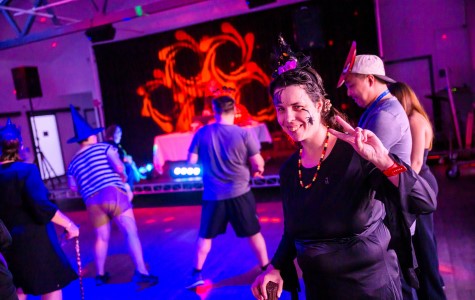
Going out into the community, taking up a class or starting a new hobby is not just something to fill your time. These are meaningful parts of a fulfilling life, one that you want to live. For NDIS participants these sorts of activities can feel confusing, especially when trying to determine which support category covers what activity.
The good news is that the NDIS recognises social, recreational and skill-building activities as important, with dedicated funding available to make them possible for you.
In this article we’ll break down how NDIS funding can cover activities like going out and learning new skills, what ‘reasonable and necessary’ means in this context and how Interaction Services can help you turn these special activities into a regular and enjoyable part of your week.
Does the NDIS Cover Social and Recreational Activities?
Yes, the NDIS covers the extra disability-related support you need to take part in recreational activities. This means they can fund a support worker, transport to an activity and special equipment if necessary to participate in that activity, but regular costs, such as tickets or club membership fees, are something you would have to pay for.
What NDIS will pay for:
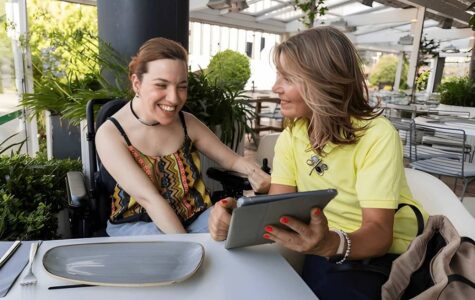
Support Worker. If you need a support worker to help you attend a hobby class, or a social event, then they can be funded for you.
Personal Care. Help setting up before the event or activity, such as changing into a uniform or using the restrooms.
Specialised transport. If you’re unable to use public transport to get to an event, NDIS will help with a specialised car or van to get you there.
Assistive Technology. Equipment or modified equipment that you need specifically for this activity can be paid for by the NDIS.
How to Get Funding
To get financial support from the NDIS for an activity, you need to prove it meets the ‘reasonable and necessary’ criteria.
Set a goa Why do you want to start a new activity, or learn a new skill? Set a goal you would like to achieve through these means and make it clear. Making new friends or connections, acquiring new skills to help improve quality of life, goals such as these.
Show how it relates to your disability. Get your therapist to write a letter explaining why you need extra assistance with these activities.
Use the right budgets. Assistance for social and recreational activities comes from your Core Supports or Capacity Building budgets. Properly refer to one of these budgets in your request.
Which NDIS Funding Categories Pay for Community Access
Assistance with Social and Community Participation (Core): This category pays for a support worker to help you join a community or participate in social or recreational activities. This can include going to arts or crafts classes, joining a sports team or attending day classes and workshops. It is very flexible.
Increased Social and Community Participation (Capacity Building): This category helps you build skills to help you become independent. It helps pay for things such as learning to use public transport, computer skills, and learning social skills.
Transport (Core): covers the cost of taxis or other forms of transport to get you to and from activities.
If you're looking for community access NDIS support in Sydney, Interaction Services can help. We match you with a support worker suited to your needs, help coordinate transport to and from activities, and work with you to identify the right social or recreational groups in your area. Our team supports participants across Parramatta, Ryde, Penrith, Blacktown, and Castle Hill.
What Counts as a "Reasonable and Necessary" Activity
To obtain funding from the NDIS for social activities or a chance to learn new skills, you need to establish that the events and activities you’re looking to attend are both ‘reasonable and necessary’. Under Section 34 of the NDIS Act it establishes what is reasonable and necessary for an NDIS participant.
Disability-specific. The activity must directly address a need caused by your permanent disability.
Goal-linked. The activity must align with personal goals you’ve set within your written NDIS plan.
Social or economic value. The activity must help you take part in the community, to study, or to work.
Value for money. The cost of the activity must be fair and reasonable when compared to the long-term benefits of participation.
Effective and beneficial. There must be evidence that shows it will be of good personal value to you.
Appropriately funded. The support you receive must be funded by the NDIS, not another service, such as Medicare.
Learning New Skills: Capacity Building Supports Explained
NDIS Capacity Building funds are there to support you with building long-term skills. It’s to help you learn how to do things independently, rather than totally rely on support workers. It should be used to build confidence and independence.
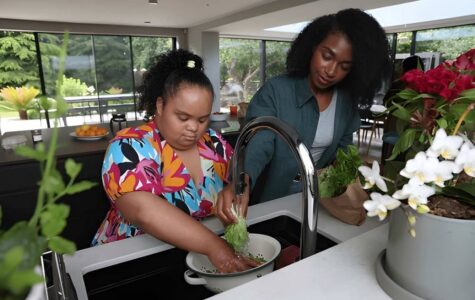
This support type is often used to help you learn life skills such as cooking and cleaning, or occupational therapy skills such as speech and communication, career planning and real-world work skills. You can learn how to use public transport and join community groups, improve your self-confidence when meeting new people and how to interact with these people.
Core supports help with everyday tasks, such as cleaning your house or helping you get dressed and ready for the day.
Capacity building skills help you build for an independent future, such as learning to cook and clean for yourself.
Joining a Disability Social Group in Sydney
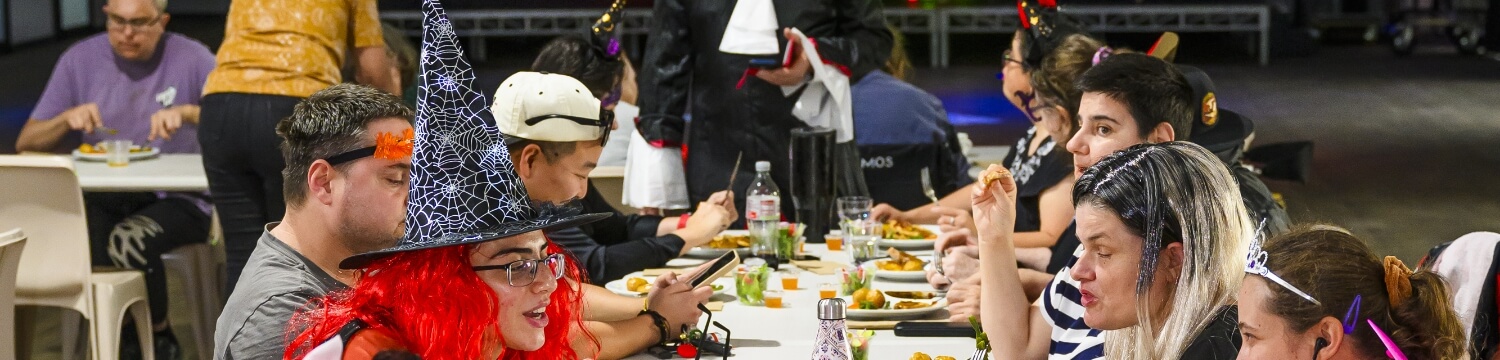
Joining a disability social group in Sydney can help you make friends, learn new skills and try new things. Such groups are funded by the NDIS through Core Supports or Capacity Building.
Check your plan and look for funding under Capacity Building - Social Community and Civic participation. Our team can help you find a Sydney-registered group that offers different activities depending on what you want. Activity groups include walking classes, scheduled cafe outings and more.
Find a group that matches your interest. This not only means you’ll get more out of it, but is also important in your application from NDIS for funding to participate.
Then speak with our support team at Interaction Services so we can coordinate the right support for you, and ensure the group or activity can help you as well.
What's Not Covered, and How to Budget Around It
While the NDIS can fund great activities such as dance classes, cooking lessons, art therapy and the people and transport to get you there, certain aspects of social activities are not paid for by the NDIS.
Things not covered by the NDIS include:
General activity fees. Movie tickets, club memberships and such.
Standard equipment. Things that everyone would buy to participate, such as shoes, racquets or sweat bands.
Class Fees. Gym classes or course enrolment fees.
General items. Food, coffee and drinks while you’re out on an activity.
These items will come out of your pocket for day-to-day expenses, not the NDIS.
How to budget around these things
Apply for a NSW Companion Card which will give your support worker free entry to most Sydney events and venues.
You can track your spending with the NDIS App. This tracks your Core budget so you know how much each outing is costing you.
If you can, ask if there are group discounts, or group classes with multiple support workers. This can end up being cheaper for all involved.
Combine your budgets. Core Support budgets are flexible, so you can use your Assistance with Daily Life budget for activities and to pay your support worker.
How Interaction Services Can Help You Plan Your Supports
Working out what the NDIS will and won't fund can feel like its own full-time job sometimes, especially when you just want to get back to a class, a social group, or a hobby you love. That's where the right support makes all the difference. Our team can help you set clear, disability-linked goals, work out which budget your activities should sit under, and connect you with the right social or recreational group to suit your interests.
Ready to turn your goals into a regular part of your week? Get in touch with Interaction Services today, and let's plan the right Community Access and Self Care support for you.