What does Community Access and Self-Care mean and how does it help me?
If you or someone you support has an NDIS plan, chances are you've come across the term NDIS self-care in Sydney as a support category with "Community Access and Self-Care". What does it mean? It’s one of those phrases that sounds pretty straightforward, but it can mean something different for everyone, depending on their goals and their daily routine, and the kind of support that would help them the most.
At its core, Community Access and Self-Care is all about building independence. It can include everything from getting out into the community and taking part in social activities to just learning everyday skills such as cooking or cleaning. It can also be about having help at hand for bigger parts of your life, such as budgeting or getting ready to take a trip.
This article is going to break down what Community Access and Self-Care means and the different ways it can support you, and if it is the right fit for your NDIS plan.
What Is Community Access and Self-Care Under the NDIS?
These two items - Community Access and Self-Care are critical support categories in the NDIS and community access NDIS Sydney participants rely on to live independently. They are designed to help you live independently, build essential skills and remain socially engaged. They are here to help you fulfill your personal and social goals in these ways.
Community Access
The purpose of this support is to connect you with other people in your community, help you learn new skills and access community activities on your own terms.
This support stream covers travel to and from activities as well as one-on-one support or group support for hobbies, fitness or volunteer work. It also assists participants to attend appointments.
Self-Care
This support is here to promote personal hygiene, an array of health initiatives, nutrition and independence within your home.
You can get help with showering, getting dressed and grooming yourself, meal preparation, eating and cleaning up afterwards and you can get help taking your medication. This help can be delivered one-on-one in your home, Supported Independent Living (SIL), or in centre-based programs.
The Four Ways Community Access and Self-Care Can Support You
There are four pillars that Interaction Services stand by, and it is these four ways that we can help you.
1. In-Home Self-Care Enhancing Your Daily Life
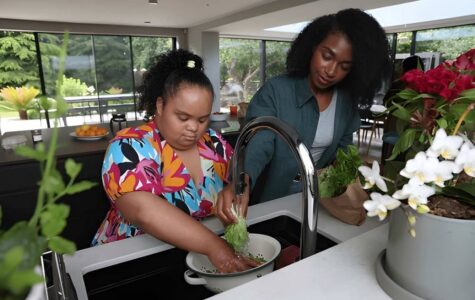
Self-care is helping participants to master activities inside their home. This can include personal hygiene, managing your medications and daily routine activities such as cooking and cleaning. This support can help you maintain your independence and dignity.
2. Strengthening Social and Community Connection
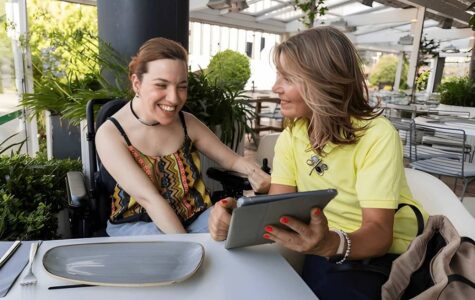
Getting out and about in the community, out of the house and doing things can help people with depression, combats loneliness and can find you some new friends. Community Support gives you a companion to go shopping with, have brunch in a cafe, go to sporting events or cultural gatherings so you can enjoy your community at your own pace.
3. Capacity Building and Skill Development
This pillar actively encourages you to navigate the world independently. You are provided targeted capacity-building programs, such as learning to use public transport, how to budget your money and how to pursue employment or volunteer opportunities.
4. Improving Your Mental Health and Personal Wellness
Regularly stepping outside of your comfort zone, with support, is linked to greater self-confidence and higher self-esteem. Visiting a park, having someone with you as you visit the doctor or go shopping, these small outings relieve the pressure of isolation and feeling alone. .
Community access and self-care builds a person’s self-confidence with regular engagement with the community, either getting outside of your home and experiencing the world, or getting involved with people at events or workshops, connecting with people and making friends.
You can learn practical skills to help with your lifestyle, and you can learn arts and crafts to help with creativity and keep you mentally young, while also physically active.
This can help build independence. Being able to feed and care for yourself, and keep your home in order, goes a long way for emotional wellbeing.
The support you receive is respectful to you, not demeaning. Our staff can bring you dignity and comfort in yourself and your environment through help, support and encouragement.
Is Community Access and Self-Care Right for Me?
Community access and self-care services are likely right for you if you live with a disability, are recovering from illness, or you’re an older Australian wanting to maintain independence. We can tailor support to help you engage with your community, build life skills, and manage daily personal needs.
These services are highly customised to what you want and the lifestyle you want to lead. They can be a great fit if you need help with:
Community Access: Getting out of the house to attend social groups, study, pursue hobbies and workshops, or access local cafes and shopping malls.
Life Skills Development: Building independence through navigating public transport, budgeting, and daily living skill practice.
Personal & Self-Care: Helping with daily tasks like showering, dressing, and meal preparation.
Respite & Wellbeing: Providing temporary relief for primary caregivers while ensuring you are safe, included, and supported.
Is it right for your situation?
For NDIS Participants: If your independence or social participation is significantly impacted by a permanent disability, these supports are a core component of the National Disability Insurance Agency Our Community Access and Self-Care services are designed to help you achieve these personal goals directly.
For Older Australians: If you require assistance to continue living independently at home, these are often delivered through government-subsidised My Aged Care packages.
Getting Started with Community Access and Self-Care in Sydney
Understanding your options is the first step for self-care and getting out in the community. The next is finding the right support to match them. If you're after more independence at home, or simply someone to help you get out and about, Community Access and Self-Care can be shaped entirely around your goals and your pace.
If you're looking for community access in Blacktown, Parramatta, or Penrith, our local teams are ready to help. At Interaction Disability Services, we work with you to build a support plan that reflects what matters most in your life, not a one-size-fits-all approach. Our team is here to help you understand what's possible under your NDIS plan and how these supports can fit into your daily routine.
Ready to take the next step? Get in touch with our team today to talk through your options and start your journey towards greater independence.